
Vision Problems Resulting from Concussion
Concussions can disrupt the way your eyes and brain work together, leading to vision problems that affect daily tasks and learning.
How Concussions and Brain Injuries Impact Vision and Visual Processing
Some of the signs of vision problems that occur after one experiences a concussion can include problems with concentration, eyestrain, loss of place while reading, slower processing speed, headaches and fatigue. These symptoms are very similar to symptoms relating to eye coordination disorders which we often see in patients who have suffered a head injury.
Most people don’t realize that the eyes are part of the brain. Therefore, if there is damage to the brain, vision can be significantly affected. Visual information processing involves the connection between our eyes and the brain. Visual information processing problems are very common following brain injury. The flow of information between the eyes and brain can often be jumbled after a brain injury.
Most patients that we see who have vision problems relating to an injury to the head can usually see the letters on the eye chart just fine. Vision involves more than seeing the letters on the eye chart clearly, “20/20” eyesight.
Eyesight requires the input of the images you are looking at from your eyes, but your brain processes the visual image so you can actually see what your eyes are pointing to. Over half of your brain is used for vision and visual information processing. Therefore, if there is damage to the brain, vision can be significantly impacted.
If you or a loved one is experiencing visual difficulties after a concussion or head injury, don’t wait. Schedule a developmental vision evaluation today to see how vision therapy can help restore clarity, comfort, and confidence.
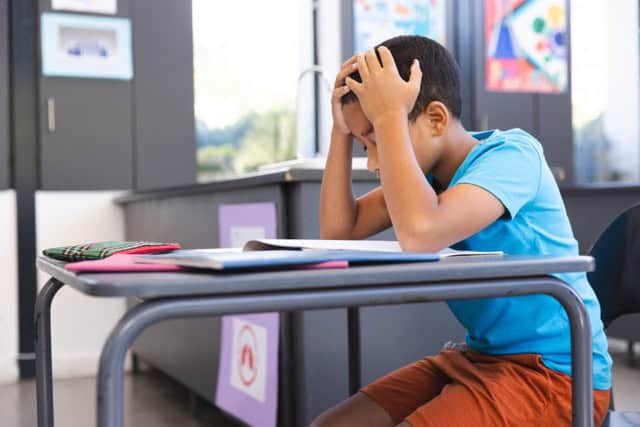
Do You Know Your Concussion Facts?
- Up to 90% of people with concussions experience vision problems like double vision and poor eye tracking.
- Around 40% of kids report blurred or double vision right after a concussion.
- Concussions often disrupt brain-eye communication, not the eyes themselves.
- Vision issues post-concussion can make reading, screen use, and depth perception difficult.
What Tests are Needed to Detect These Visual Problems?
If your child has had an eye examination and you have been told that there is nothing wrong, that is because regular eye examinations are not designed to test all the visual skills that are impacted by an injury to the head. A Neuro-Optometric Vision Evaluation involves testing how well the eyes move, how they work together, how they focus and how you understand what you see all while performing normal activities of daily life.
How often is vision affected in concussions?
A recent study found that over 69% of patients with a concussion experience visual challenges after the injury. Some of the symptoms one can struggle with can include one or more of the following:
- Blurred vision
- Double vision
- Sensitivity to light
- Headaches with visual tasks
- Reading difficulty
- Movement of print on the page
- Poor reading comprehension
- Poor depth perception
- Difficulty focusing your eyes on things in your environment
- Challenges understanding visual information
- Difficulty moving your eyes
- Poor eye-hand coordination or problems judging stairs.
- Things moving may make you feel ill
If you or a loved one have experienced a concussion, call our office to schedule a Neuro-Optometric Vision Evaluation today.
Can These Vision Problems Exist Even if There Was No Diagnosis of a Concussion?
While all children bump their heads multiple times as they navigate their world, in some cases those multiple bumps can add up. One research study found that one does not need to be knocked unconscious or formally diagnosed with a concussion in order to experience visual problems.
The researchers found that after 10 headers during soccer (or soccer practice) resulted in significantly lowered scores for the visual skills which are vital for reading and learning; specifically, eye teaming, eye tracking and eye focusing.
This type of head injury is not exclusive to soccer players. For example: hockey, football, volley ball, and even cheer leading can result in injuries to the head which result in vision problems that can interfere with reading as well as overall recovery.
The Most Common Signs
It is vital that parents and educators know the signs and symptoms of vision problems that block learning after a head injury. Following are some of the more common signs:
- Difficulty getting back into school routines
- Difficulty getting schoolwork done/completed
- Headaches with nearwork
- Poor reading comprehension
- Difficulty looking at computer/chrome book screens
- Words look double, blurry or like they are moving on the page
Just one of these symptoms could mean that your child is struggling with a vision problem. Call today to schedule an appointment.